HEIGHTS SAFETY AUDITS AND COMPLIANCE
BOOK YOUR HEIGHT SAFETY AUDIT TODAY
Heights Safety Audits and Compliance: Ensuring Workplace Safety for Work at Heights
Introduction
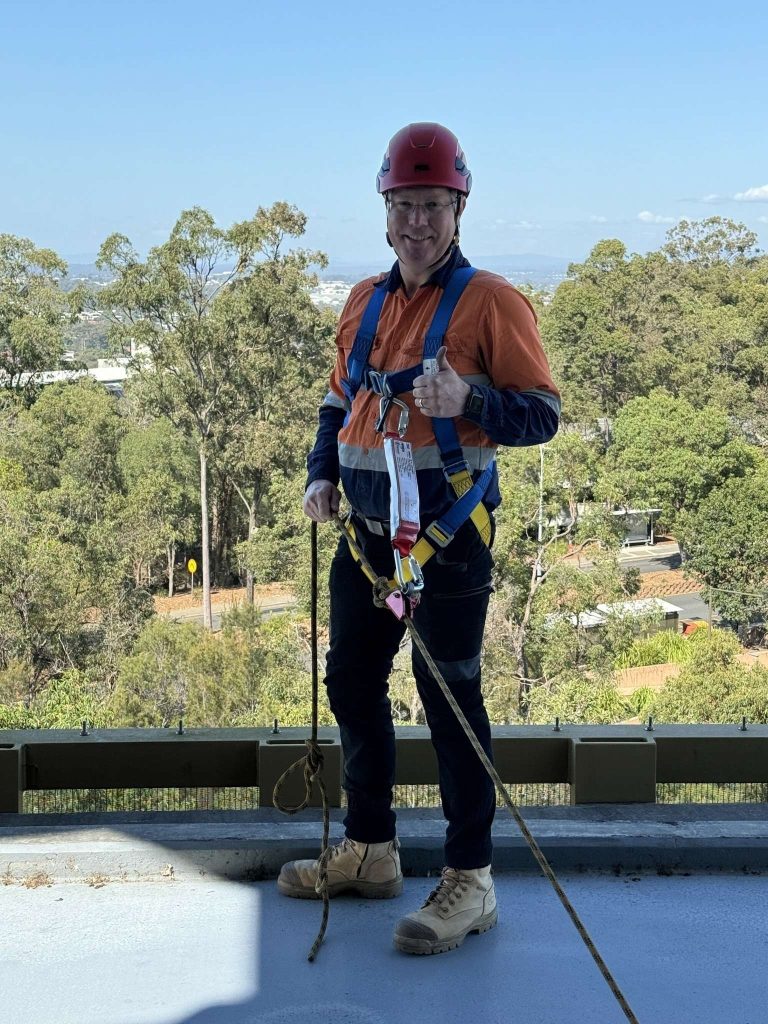
Heights safety represents a significant concern in industries where personnel operate at elevated positions. Conducting thorough heights safety audits and implementing compliance measures are vital to avert accidents, safeguard employees, and maintain conformity with Work Health and Safety (WHS) Laws.
This will provide you with an overview of why it is very important, its various advantages, and the essential elements of efficient safety systems.
Why Is It Essential?
1. Preventing Workplace Accidents
Falls from elevated surfaces continue to be a primary contributor to injuries and fatalities in the workplace. Conducting regular audits helps to pinpoint potential hazards and guarantees that safety protocols are established to reduce these risks.
2. Compliance with WHS Standards
This assist organizations in adhering to regulations such as those specified in Australia’s Work Health and Safety (WHS) Act. Failure to comply may result in penalties, legal responsibilities, and damage to reputation.
3. Boosting Employee Confidence
A secure workplace enhances employee morale, boosts productivity, and fosters trust among staff, allowing them to undertake high-risk tasks with confidence.
Key Features
1. Comprehensive Risk Assessments
Assess the work environment to recognize potential hazards, including unstable surfaces, lack of proper guardrails, and inadequate anchor points.
2. Review of Existing Safety Measures
Examine fall protection systems, personal protective equipment (PPE), and training programs to verify their compliance with current standards.
3. Recommendations for Improvement
Deliver practical recommendations, encompassing revised safety procedures, enhancements to equipment, and advanced training for employees.
4. Documentation and Certification
Create comprehensive reports to ensure adherence to regulations and preserve documentation for upcoming inspections.
Height Safety Components
1. Work on the ground
Eliminating the need to work at height is the most effective way of protecting workers from the risk of falls.
2. Work on a solid construction
Working on a solid construction provides an environment where the likelihood of a fall may be eliminated.
3. Fall Prevention Devices
When work cannot be performed on the ground or from a solid construction, you, as a person conducting a business or undertaking (PCBU), must minimise the risk of a fall by providing a fall prevention device, if it is reasonably practicable to do so.
4. Work Positioning Systems
A ‘work positioning system’ includes any plant or structure, other than a temporary work platform, that enables a person to be positioned and safely supported at a location in such a way that a fall is prevented.
5. Fall Arrest Systems
Fall arrest systems, such as catch platforms, safety nets and individual fall arrest systems (including anchorage lines or rails), are intended to safely stop a worker falling an uncontrolled distance and reduce the impact of the fall.
6. Administrative Controls
Administrative controls may be used to support other control measures and may include ‘no go’ areas, permit systems and the sequencing of work.
7. Ladders
Falls from ladders have resulted in a significant number of serious and fatal injuries, even when working at relatively low heights.
8. Rescue Plans
Whenever there are risks from working at height, emergency procedures must be established and first aid equipment provided.
What Is the Process?
1. Initial Consultation
Comprehend the extent of the project, particular site difficulties, and the requirements of the client.
2. Site Inspection
Evaluate the physical surroundings, taking into account the stability of structures, the state of equipment, and the practices of the workforce.
3. Hazard Analysis
Identify all possible hazards related to performing tasks at elevated levels.
4. Compliance Check
Assess the workplace in relation to both local and international safety standards.
5. Final Report
Prepare a comprehensive report that includes findings, recommendations, and a timeline for corrective actions.
Benefits of Conducting Compliance
1. Enhanced Workplace Safety
Reduce the likelihood of accidents and injuries to foster a safer workplace for employees.
2. Legal and Financial Protection
Prevent expensive penalties, legal actions, and interruptions resulting from workplace accidents.
3. Reputation Management
Demonstrate your dedication to employee safety, thereby improving your brand reputation.
Why Choose Our Services?
Expert Auditors: Our team consists of certified professionals who possess extensive experience in heights safety.
Custom Solutions: Customized suggestions designed to address the unique requirements of your workplace.
State-of-Art Tools: Advanced technology facilitates precise evaluations of risks and compliance verification.
Ongoing Support: Support with execution, staff training, and subsequent evaluations.
Frequently Asked Questions
1. Who needs a heights safety audit?
Industries that involve employees operating at elevated heights, including construction, maintenance, and telecommunications, gain significant advantages from conducting heights safety audits.
2. How often should it be conducted?
It is ought to be conducted on an annual basis or in response to any substantial alterations within the work environment.
3. What happens if my workplace doesn’t comply?
Failure to comply may lead to legal repercussions, higher insurance costs, and the possibility of operational shutdowns.
Take Action Today
Ensure the safety and compliance of your workplace by scheduling a heights safety audit. Safeguard your employees and adhere to the highest safety regulations by utilizing our expert services.
Contact Us
Ready to secure your workplace? Contact us today at 1300 707 677 for a consultation and start your journey toward comprehensive heights safety compliance.