
Why you need to complete the low voltage rescue course

Completing a Low Voltage Rescue course (LVR) is essential for several compelling reasons, spanning safety, compliance, and skill enhancement. The course equips individuals with the necessary knowledge and skills to handle emergency situations involving low voltage electrical systems, ensuring the well-being of both the rescuer and the victim. Here are the primary reasons why completing an LVR course is indispensable:
1. Ensuring Safety
a. Personal Safety: The primary reason for undertaking an LVR course is to ensure personal safety. Working with or around electricity can be hazardous, and even low voltage systems can pose significant risks if not handled properly. The course teaches participants how to identify and mitigate these risks effectively.
b. Safety of Others: In the event of an electrical accident, a trained individual can provide immediate assistance, significantly increasing the chances of a positive outcome. An LVR course trains participants to safely rescue a person who has come into contact with a live electrical circuit, thereby preventing further injuries or fatalities.
2. Regulatory Compliance
a. Legal Requirements: In many jurisdictions, there are stringent regulations and standards regarding workplace safety, particularly concerning electrical safety. Completing an LVR course often fulfills part of these legal requirements, ensuring that businesses and individuals comply with local and national safety standards.
b. Industry Standards: Many industries, especially those involving electrical work, have established standards that mandate LVR training. Employers are often required to ensure that their staff are adequately trained to handle electrical emergencies, and an LVR course is a critical component of this training.
3. Enhanced Skills and Knowledge
a. Understanding Low Voltage Systems: The course provides a comprehensive understanding of low voltage electrical systems, including how they operate, common hazards, and appropriate safety measures. This knowledge is crucial for anyone working in environments where low voltage systems are present.
b. Practical Rescue Techniques: Participants learn practical rescue techniques, including how to safely disconnect power, use insulated rescue devices, and administer first aid. These skills are not only useful in professional settings but also in everyday situations where electrical accidents might occur.
4. Building Confidence
a. Preparedness: Being well-prepared for emergencies is a key aspect of building confidence. An LVR course equips individuals with the skills and knowledge needed to respond effectively to electrical emergencies, instilling a sense of preparedness and confidence.
b. Decision-Making Skills: The training enhances decision-making skills under pressure. Participants learn how to assess situations quickly, determine the best course of action, and execute rescue operations efficiently, which is crucial in emergencies where every second counts.
5. Reducing Downtime and Costs
a. Minimizing Workplace Disruptions: Electrical accidents can lead to significant workplace disruptions, including injuries, investigations, and equipment damage. By having trained personnel who can respond promptly and effectively to such incidents, the potential for prolonged disruptions is minimized.
b. Cost Savings: Preventing accidents and reducing their severity can lead to substantial cost savings. Medical expenses, legal fees, and equipment repairs or replacements can be costly. An LVR course helps mitigate these costs by fostering a safer work environment and enhancing emergency response capabilities.
6. Promoting a Safety Culture
a. Encouraging Responsibility: Completing an LVR course encourages a culture of safety and responsibility within an organization. It underscores the importance of safety training and prepares individuals to take responsibility for their actions and the safety of others.
b. Peer Influence: Trained individuals often influence their peers positively, promoting safe practices and awareness throughout the workplace. This ripple effect can lead to a more safety-conscious and proactive workforce.
7. Meeting Employer Expectations
a. Employer Mandates: Many employers mandate LVR training as part of their occupational health and safety programs. Completing the course meets these requirements, ensuring that employees are qualified and capable of performing their duties safely.
b. Competitive Advantage: Having LVR certification can be a competitive advantage in the job market. It demonstrates a commitment to safety and professional development, making individuals more attractive to potential employers.
8. Emergency Response Integration
a. Coordinated Efforts: In many workplaces, emergency response efforts need to be coordinated among various team members. An LVR course provides the skills necessary to work effectively within these teams, ensuring a coordinated and efficient response to electrical emergencies.
b. First Aid and CPR Skills: Often, LVR courses include training in first aid and CPR, enhancing an individual’s overall emergency response capabilities. These additional skills are invaluable in a wide range of emergency scenarios beyond just electrical accidents.
9. Adaptability to Various Environments
a. Diverse Applications: The knowledge and skills gained from an LVR course are applicable in various environments, including construction sites, manufacturing facilities, and residential settings. This adaptability makes the training valuable across multiple industries and situations.
b. Technological Advancements: As technology evolves, so do electrical systems and the associated risks. An LVR course often includes up-to-date information on the latest safety practices and technologies, ensuring that participants are prepared for contemporary challenges.
10. Community and Public Safety
a. Public Safety: Electrical hazards are not confined to workplaces. Public spaces, residential areas, and recreational facilities also pose risks. Individuals trained in low voltage rescue can contribute to public safety by being prepared to respond to electrical emergencies in these settings.
b. Community Leadership: Being trained in LVR positions individuals as leaders within their communities. They can educate others about electrical safety, advocate for safety measures, and provide assistance in emergencies, contributing to a safer community overall.
Conclusion Low Voltage Rescue Course
Completing a Low Voltage Rescue course is not just about fulfilling a requirement or enhancing a resume. It is about ensuring safety, preparedness, and competence in dealing with electrical emergencies. The course imparts critical skills and knowledge that are essential for personal safety, compliance with regulations, and effective emergency response. It promotes a culture of safety, reduces costs, and enhances confidence and decision-making abilities. Ultimately, the LVR course is a vital investment in both personal and workplace safety, making it an essential component of professional development for anyone working with or around low voltage electrical systems.

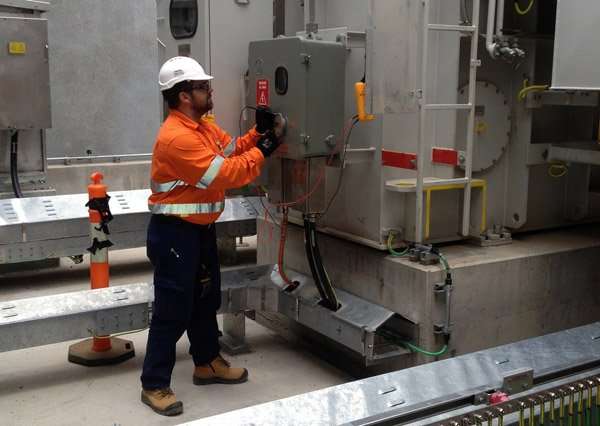

LVR CPR TRAINING BRISBANE
UNIT BEING DELIVERED
The following unit(s) will be awarded to successful participants in the LVR CPR Training Brisbane course. The certificate will be issued by Allens Training Pty Ltd RTO 90909.
- UETDRRF004 – Perform rescue from a live LV panel
- HLTAID009 – Provide cardiopulmonary resuscitation
To view full unit details please visit training.gov.au
PROVIDER OF TRAINING AND ASSESSMENT
Training and assessment delivered on behalf of Allens Training Pty Ltd RTO 90909
Please click this link to view the Allens Training Pty Ltd Student Handbook
A Training can also be found on the findtraining.com.au website.